Works

  • NuCollage

    One of the most iconic moments: Carson published an interview entirely in Zapf Dingbats (a symbol font) because he found the article boring — making a radical statement that design could carry as much meaning as content.

    View more +

  • NuCollage

    One of the most iconic moments: Carson published an interview entirely in Zapf Dingbats (a symbol font) because he found the article boring — making a radical statement that design could carry as much meaning as content.

    View more +

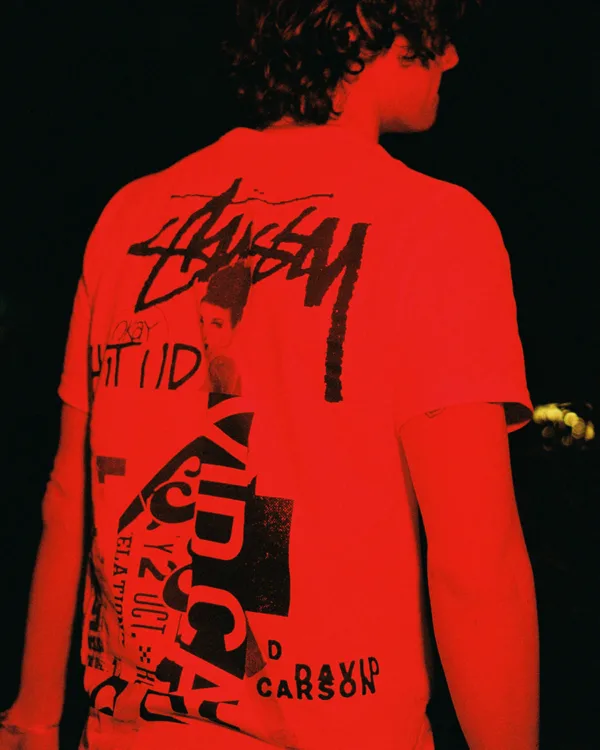
  • STÜSSY

    One of the most iconic moments: Carson published an interview entirely in Zapf Dingbats (a symbol font) because he found the article boring — making a radical statement that design could carry as much meaning as content.

    View more +

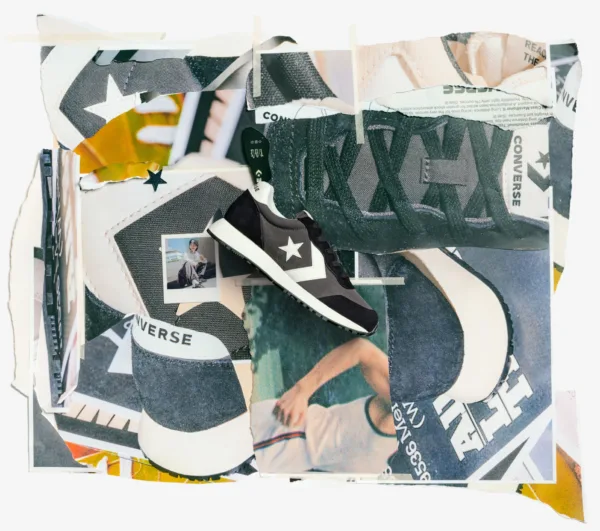
  • Converse

    One of the most iconic moments: Carson published an interview entirely in Zapf Dingbats (a symbol font) because he found the article boring — making a radical statement that design could carry as much meaning as content.

    View more +

  • NuCollage

    One of the most iconic moments: Carson published an interview entirely in Zapf Dingbats (a symbol font) because he found the article boring — making a radical statement that design could carry as much meaning as content.

    View more +

  • STÜSSY

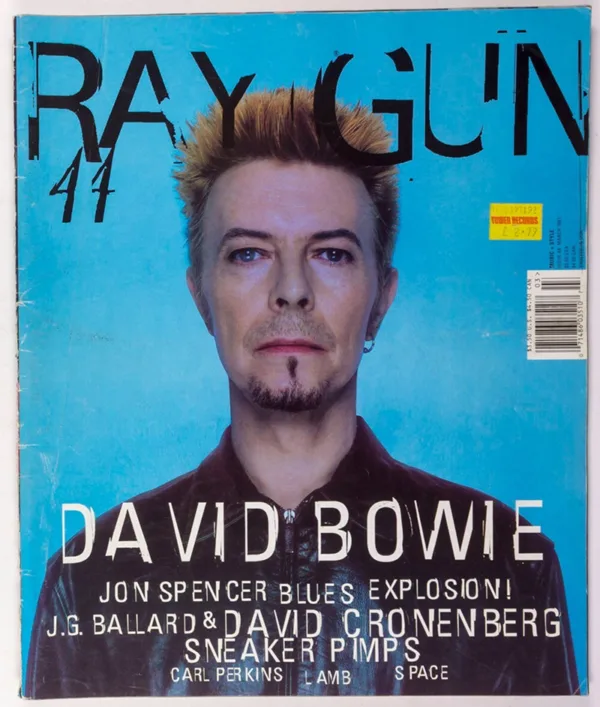
    David Carson made Ray Gun one of the most influential design projects of the 1990s. Unlike traditional magazines, Ray Gun’s layouts often ignored conventional rules of legibility and hierarchy. Carson experimented with distorted typefaces, chaotic compositions, overlapping images, and unconventional grid systems.

    View more +

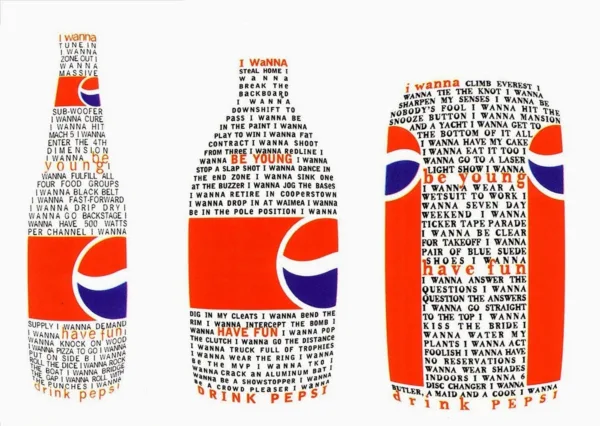
  • Pepsi

    One of the most iconic moments: Carson published an interview entirely in Zapf Dingbats (a symbol font) because he found the article boring — making a radical statement that design could carry as much meaning as content.

    View more +

  • Ray Gun Magazine

    One of the most iconic moments: Carson published an interview entirely in Zapf Dingbats (a symbol font) because he found the article boring — making a radical statement that design could carry as much meaning as content.

    View more +

  • Pepsi

    Ray Gun's layouts often ignored conventional rules of legibility and hierarchy.

    View more +

  • Pepsi

    David Carson made Ray Gun one of the most influential design projects of the 1990s. Unlike traditional magazines, Ray Gun’s layouts often ignored conventional rules of legibility and hierarchy. Carson experimented with distorted typefaces, chaotic compositions, overlapping images, and unconventional grid systems.

    View more +

  • Ray Gun Magazine

    Ray Gun's layouts often ignored conventional rules of legibility and hierarchy.

    View more +

  • Converse

    Ray Gun's layouts often ignored conventional rules of legibility and hierarchy.

    View more +

  • NuCollage

    One of the most iconic moments: Carson published an interview entirely in Zapf Dingbats (a symbol font) because he found the article boring — making a radical statement that design could carry as much meaning as content.

    View more +